From prevention and responsible prescribing to innovative pain management and lifelong recovery, Hoag is building a comprehensive continuum of care, with the support of philanthropy.
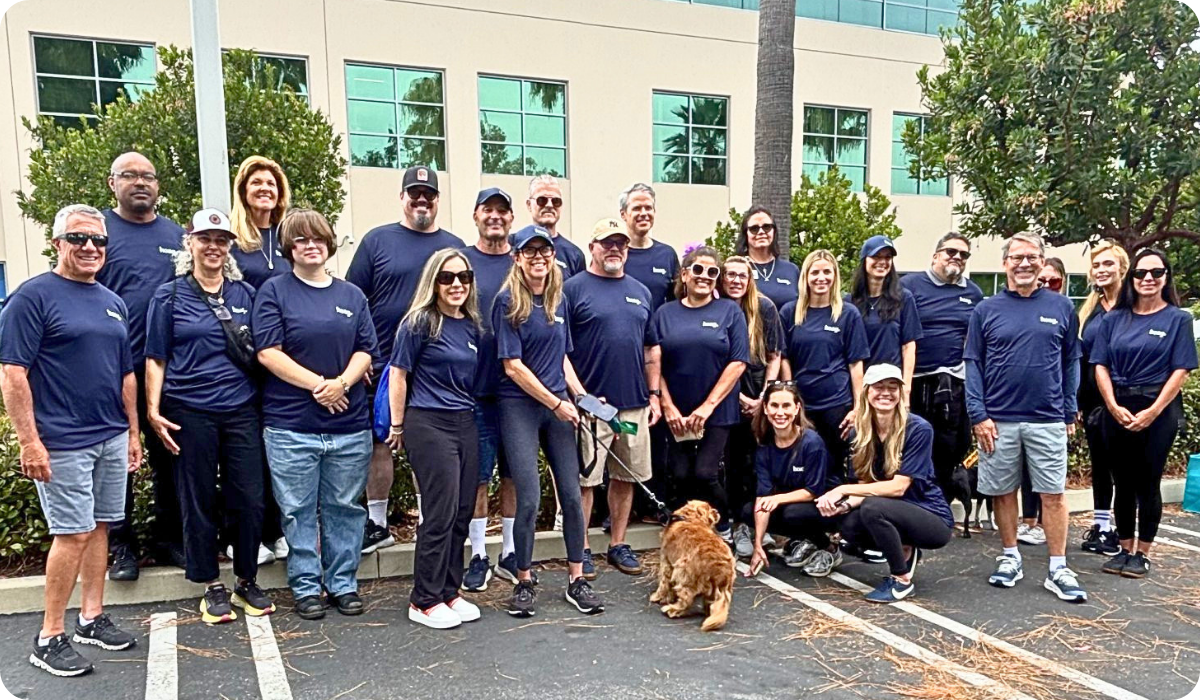
On July 11, Hoag served as the host site for a Walk for Lives event for the first time, joining communities across the country in raising awareness about overdose prevention, recovery, and the devastating impact of fentanyl. The walk reflects a philosophy that has already been reshaping care across Hoag—one which recognizes that addressing the opioid crisis requires a continuum of care spanning prevention, responsible prescribing, innovative pain management, addiction treatment, recovery, and community education.
Over the past five years, that commitment has been spearheaded by Hoag’s multidisciplinary opioid stewardship committee. Bringing together physicians, pharmacists, nurses, and clinical leaders from across the health system, the committee works to reduce unnecessary opioid exposure while ensuring patients continue to receive safe, effective pain care.
Reflecting on the evolution of pain management over the past several decades, Steven Ey, MD, said the medical community has learned important lessons about opioid prescribing. “The pendulum swung from hardly ever prescribing opioids to pain being the fifth vital sign,” said Dr. Ey, who served as chief of inpatient addiction medicine for nearly two decades before transitioning this year to focus on leading the opioid stewardship committee. “Now we're finding the balance.”
That balanced approach has transformed care across Hoag. Through evidence-based prescribing guidelines and physician education, Hoag has transformed the way opioids are prescribed across the health system. At the same time, it has expanded naloxone distribution to help reverse overdoses, increased access to buprenorphine for patients with opioid use disorder, and strengthened collaboration among clinical teams. Together, these efforts have helped reduce the number of patients discharged with high-dose opioid prescriptions by nearly 40% since 2021.
“Philanthropy has made a big difference,” shared Matthew Reed, MD, chief of inpatient pain and outpatient addiction services. “Our pain nurse navigator has been a lifesaver, helping us connect patients who come to the hospital with significant pain issues, addiction, or those transitioning to buprenorphine with the outpatient care they need. That connection is essential to creating a safer, more comprehensive pathway for patients.”
Much of that progress happens behind the scenes. Reviewing prescribing data, developing clinical protocols, educating providers, and coordinating quality improvement initiatives require dedicated physician leadership—work made possible in part through philanthropy.
Prevention also means giving patients better options for managing pain. Rather than relying primarily on opioids, Hoag’s pain specialists focus on identifying and treating the underlying source of pain through a multidisciplinary approach that combines precision-guided procedures with physical therapy, behavioral health, movement, and rehabilitation.
“We will do everything necessary to make sure our patient is well taken care of,” said Aaron Przybysz, MD, PhD, John L. Curci Family Endowed Chair in Pain Management. “That's part of the holistic standard that we have at Hoag. But our goal is also to get people off those medications. The right targeted injection, combined with physical therapy, core strengthening, range of motion, and cognitive behavioral therapy, makes a huge difference.”
When addiction does occur, Hoag provides compassionate, evidence-based care designed to help patients move beyond detoxification toward lasting recovery. Aung Thu, MD, who now leads Hoag’s inpatient addiction medicine program, emphasizes that recovery is not a single event but a lifelong process supported through inpatient treatment, residential care, outpatient services, peer support, and ongoing education.
“Recovery is a journey,” he said. “It is not a destination.”
That continuum of care will soon grow even stronger. Scheduled to open in 2027, the new CareMar Recovery Center will become one of the largest hospital-based addiction treatment facilities in the region, expanding access to medically supervised detoxification, residential treatment, and comprehensive recovery services. Supported by philanthropy and built on collaboration across specialties, CareMar represents Hoag’s long-term commitment to helping individuals and families at every stage, from prevention and early intervention to recovery and lifelong healing.
To learn more about how you can make an impact in Hoag’s ongoing efforts to prevent opioid misuse, expand addiction treatment, and advance recovery services through CareMar, contact Senior Executive Director of Development at the Hoag Hospital Foundation, Jenn Brown at Jennifer.Brown@hoag.org or call 949-764-7454.