Hoag’s multidisciplinary HEAL (Hepatology and Addiction-Linked Care) Program helps patients facing alcohol-associated liver disease find support, recovery resources, and a better future.
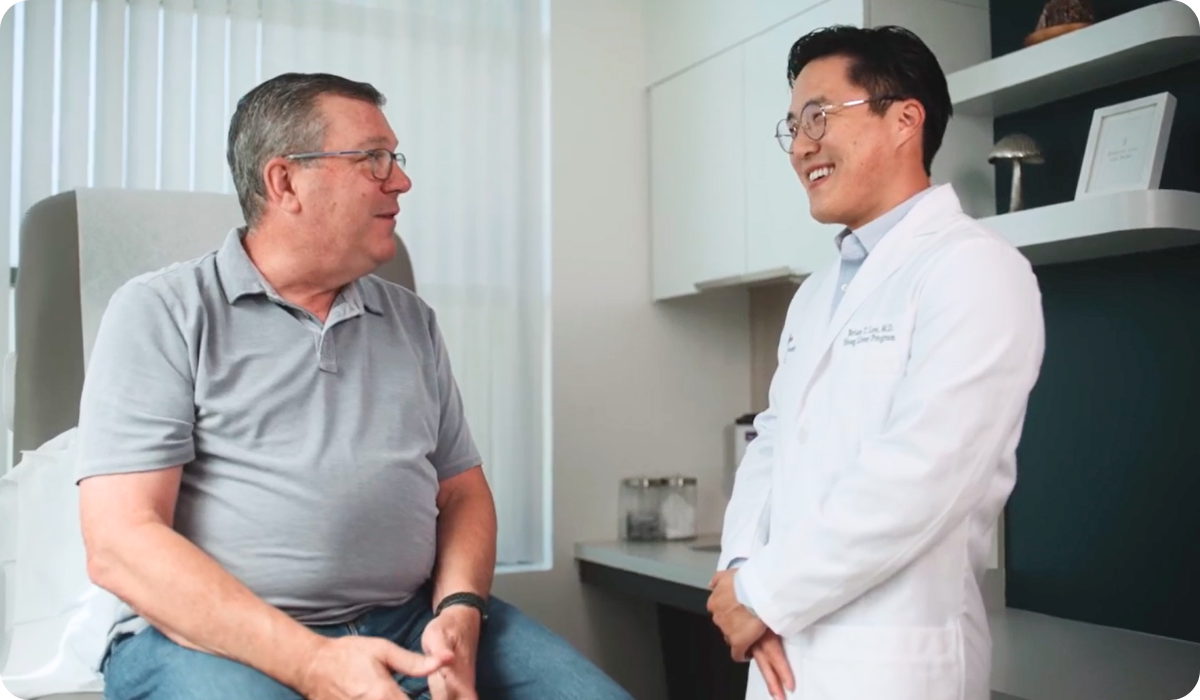
Alcohol-associated liver disease is one of the fastest-growing health challenges in the United States. Since the COVID-19 pandemic, heavy alcohol use has increased by 20%, while deaths related to alcohol-associated liver disease continue to rise at alarming rates. Today, alcohol-associated liver disease accounts for approximately 40% of all liver transplant listings nationwide, making it the leading indication for liver transplantation.
At Hoag, physicians are seeing the impact firsthand. Approximately 20 to 25 percent of liver patients have cirrhosis, and the majority of inpatient hepatology consultations involve individuals facing alcohol-associated liver disease.
For Brian T. Lee, MD, director of Hoag’s Liver Program at the Digestive Health Institute, those statistics highlight an important reality: treating liver disease alone is often not enough.
“Many of these patients are facing challenges that extend far beyond their liver health,” said Dr. Lee. “To create meaningful, lasting change, we must address the medical, behavioral, and emotional factors that influence recovery.”
Recognizing the growing intersection between addiction and liver disease, Dr. Lee helped establish the HEAL Clinic, an innovative collaboration between Hoag’s Digestive Health Institute and Hoag’s comprehensive addiction care services.
Rather than treating liver disease and substance use disorder separately, HEAL brings together liver specialists, addiction medicine experts, behavioral health providers, and care coordinators in a single, integrated model. Patients participate in a series of multidisciplinary visits that include comprehensive liver evaluations, addiction counseling, behavioral health assessments, and personalized care planning.
“Healing happens when patients are given the tools, support, and resources to make lasting changes in their lives,” said Dr. Lee. “Our goal is to help them leave healthier, more hopeful, and equipped with the strategies they need to sustain their health long after they leave our clinic.”
HEAL also reflects Hoag’s broader vision for the future of healthcare. By integrating expertise across specialties, Hoag is creating new models of care that treat the whole person while advancing research, education, and clinical innovation.
Philanthropy plays a critical role in making these efforts possible. Many of the services that help patients achieve lasting recovery, including behavioral health support, care coordination, and innovative multidisciplinary programs, are not fully supported through traditional reimbursement models. Generous philanthropic investment helps Hoag expand these resources, accelerate innovation, and ensure patients receive comprehensive care tailored to their unique needs.
As Hoag continues to advance nationally recognized programs in liver disease, addiction medicine, and transplantation, initiatives like HEAL demonstrate how philanthropy can help bring together the expertise, resources, and compassionate support patients need to build healthier futures.
To learn more about supporting Hoag's HEAL Program, contact Executive Director of Development Rachelle Rainey at the Hoag Hospital Foundation at Rachelle.Rainey@hoag.org or 949.764.0268.