After volunteering at Ground Zero following 9/11, Shala Tavakoli faced a cancer diagnosis believed to be linked to her exposure, but through every challenge, she has chosen generosity over fear.
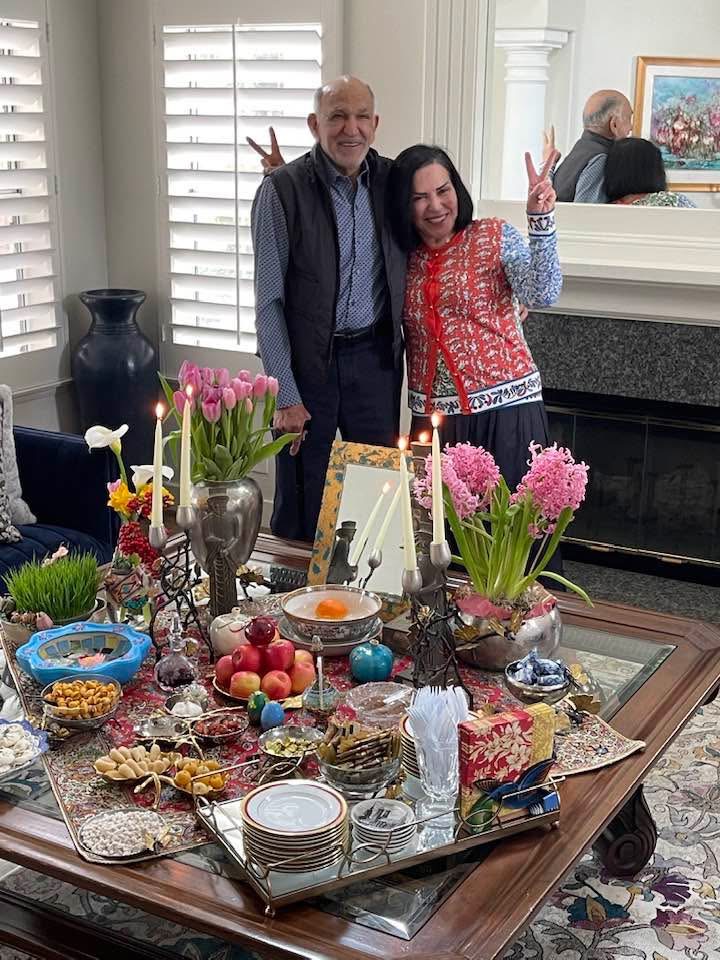
When Shala Tavakoli talks about surviving cancer, she often does so with humor.
“I prefer laughing over worrying,” she said. “Fear keeps you from living.”
That outlook has carried her through an extraordinary life journey spanning continents, careers, personal hardships and multiple cancer diagnoses — all while deepening her lifelong commitment to helping others.
A longtime Hoag patient and supporter, Tavakoli first came to the United States from Iran more than five decades ago as a 19-year-old newlywed and student. After completing school in San Diego, she built a successful career in engineering and risk management, eventually consulting for major corporations including Pfizer, Allergen, and Salk Institute before rising into executive leadership roles overseeing engineering operations across 13 western states.
Then came September 11, 2001.
At the time, Tavakoli was serving as a director of engineering when her company partnered with New York City to assist with safety operations at Ground Zero. Wanting to encourage others to volunteer, she volunteered herself first — taking one of the most difficult overnight shifts helping oversee portions of the recovery and cleanup efforts at the World Trade Center site.
The experience changed her life.
“It made me want to do more for people,” she said.
In the years that followed, Tavakoli devoted herself increasingly to philanthropy and humanitarian work, helping fund schools, public baths, and homes for vulnerable women in remote regions near the Afghanistan-Pakistan border, while also supporting children with necessities like shoes, backpacks and school supplies.
Years later, another life-altering challenge emerged.
In 2017, Tavakoli was diagnosed with lung cancer, believed to be connected to her exposure at Ground Zero. At Hoag, she underwent treatment and surgery with Daryl Pearlstein, MD. Although subsequent complications led to additional surgeries, radiation and years of monitoring, she continued approaching each setback with resilience and optimism.
Then, earlier this year, she noticed something unusual.
While driving home, she found herself drifting slightly to the right. Soon after, everyday motions — reaching for shampoo in the shower, brushing her teeth, walking downstairs — began to feel off balance.
Tavakoli received brain imaging scans that revealed a metastatic brain tumor.
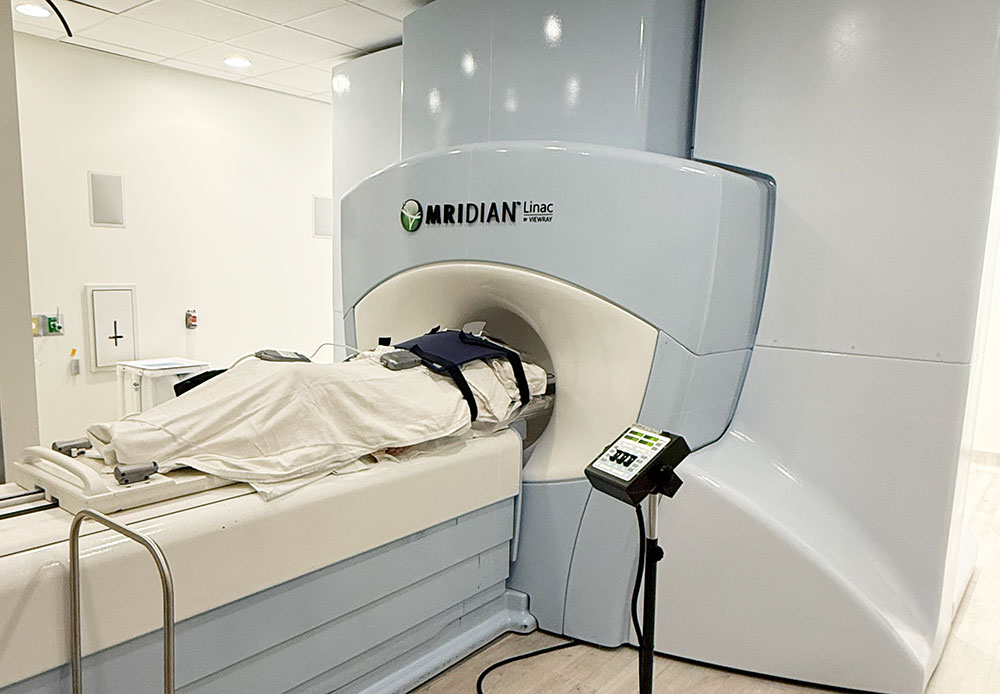
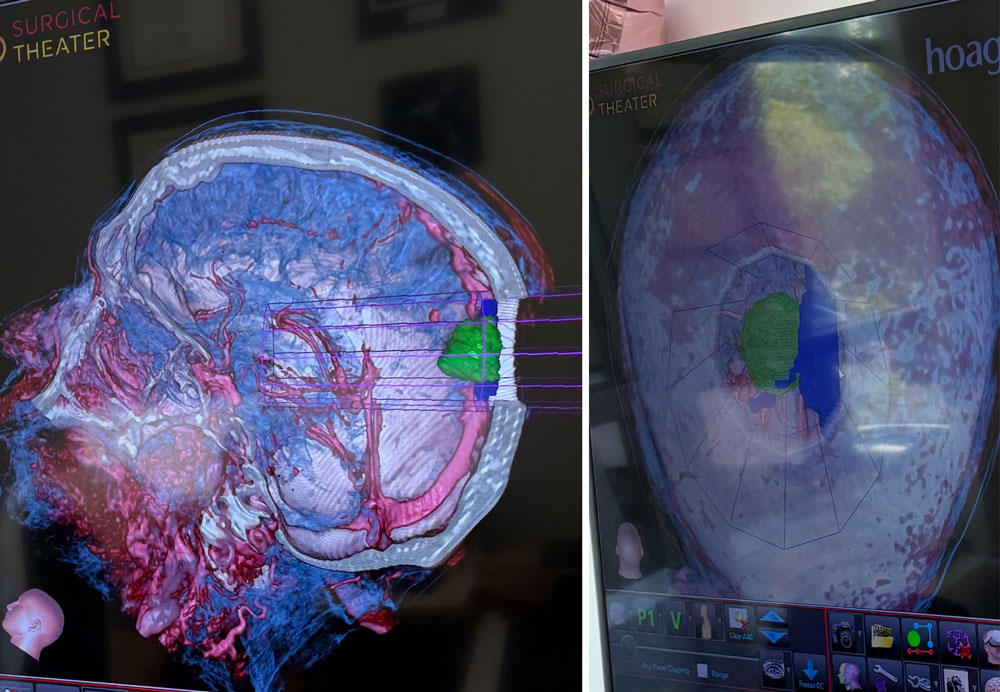
Within 27 hours of entering Hoag’s imaging center, she underwent emergency surgery performed by neurosurgeon Robert Louis, MD, Empower360 Endowed Chair in Skull Base and Minimally Invasive Neurosurgery at Hoag Newport Beach.
“He was gracious, kind and reassuring,” Tavakoli said. “I felt completely confident in the care I was receiving.”
Following surgery and Gamma Knife treatment, Tavakoli says she remains profoundly grateful not only for her physicians, but for every interaction she has experienced throughout Hoag.
“What I’ve noticed at Hoag is that people treat patients with respect and care,” she said. “It doesn’t matter who you are.”
Her gratitude quickly turned into action.
While recovering, Tavakoli made a gift to Hoag in honor of Dr. Louis and committed to funding meals for 100 people affected by hardship in her home region overseas. She has also continued encouraging friends and members of Orange County’s Iranian community to support Hoag’s mission through philanthropy.
For Tavakoli, giving has never been separate from living.
Raised alongside 10 siblings, she says her parents taught her from an early age that generosity was the truest expression of gratitude.
That philosophy continues to guide her today.
Instead of asking friends to send flowers during her recovery, Tavakoli encouraged them to buy meals for people experiencing homelessness. She still spends much of her time supporting charitable causes locally and internationally and remains passionate about helping others live without fear.
“Life is a gift,” she said. “The best way to show appreciation for what you’ve been given is to give back.”
To learn more about supporting Hoag and helping advance lifesaving care, research, innovation and patient programs, please visit hoaghospitalfoundation.org.